
October 15, 2026
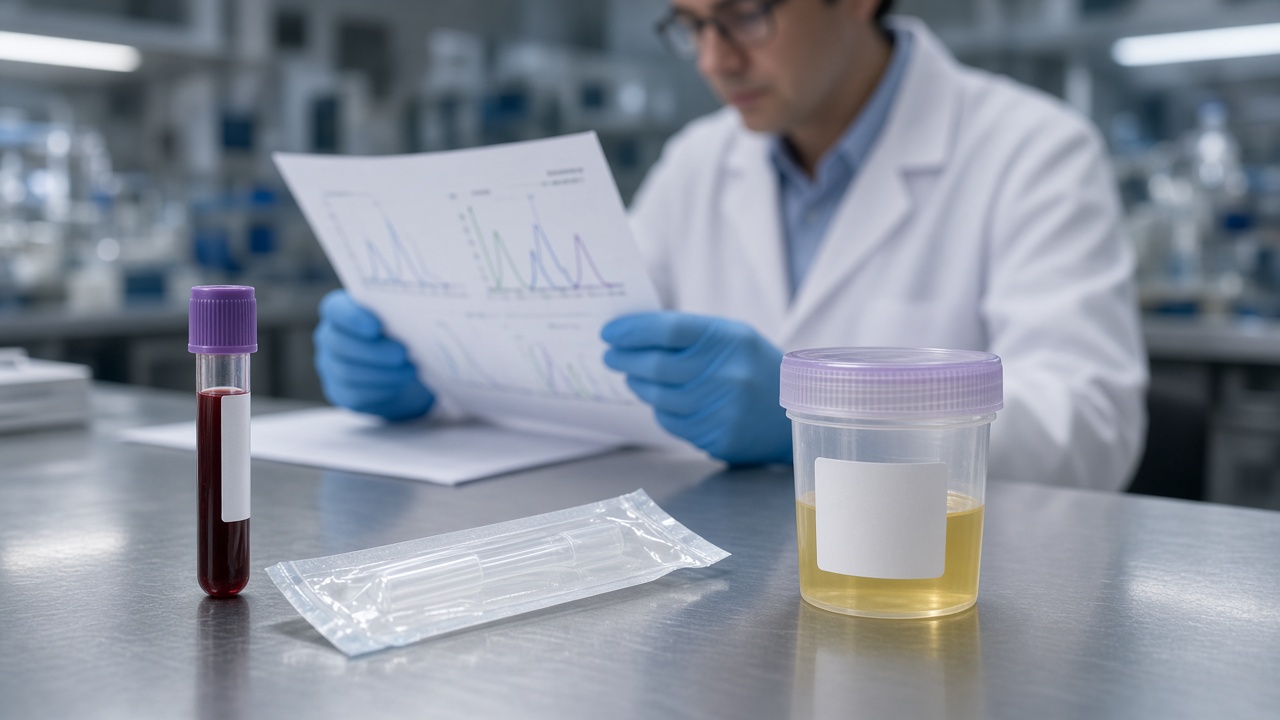
The Science of DUI: What Toxicology Can—and Cannot—Prove
DUI cases often contain numbers.
A blood result.
A breath result.
A urine result.
A drug concentration.
A metabolite.
A laboratory report.
But a number is not the same thing as a conclusion.
What Toxicology Can Tell Us
Depending upon the test, toxicology may establish:
The presence of alcohol;
A measured alcohol concentration;
The presence of a drug;
The presence of a metabolite;
The concentration of a substance in a particular specimen; or
Other scientifically measurable information.
What Toxicology May Not Establish by Itself
A toxicology result does not necessarily answer every legal question.
For example:
A positive drug test does not automatically establish impairment.
A metabolite does not necessarily establish when consumption occurred.
A later alcohol concentration does not automatically establish the concentration at the moment of driving.
A breath result is not literally a blood measurement.
Florida's DUI Framework
Florida law recognizes impairment-based DUI and specified blood- and breath-alcohol concentrations of .08 or more.
Florida's testing statute separately establishes procedures for breath, blood and urine testing.
That distinction is important.
The Scientific Chain
A strong DUI defense examines the entire chain:
Driving
↓
Observation
↓
Investigation
↓
Collection
↓
Testing
↓
Laboratory analysis
↓
Scientific interpretation
↓
Legal conclusion
At every stage, the defense should ask whether the evidence supports the next step.
The Most Important Question
The question is not simply:
“Did the test detect alcohol or drugs?”
The more important question is:
“What does this scientific evidence actually prove about this defendant, at the relevant time, under Florida law?”
That is where science and criminal defense intersect.
The Law Office of Juan C. Calama has represented clients facing criminal and traffic charges for more than 20 years. A DUI case deserves more than a cursory review of a police report or laboratory number. The evidence should be examined from the roadside investigation through the scientific testing and ultimately against the elements the State must prove.
Don't just defend the charge. Defend the case. Defend the Case.
- How Alcohol Gets Into Your Bloodstream: The Science Behind BAC
- Rising BAC in Florida DUI Cases: Can Your BAC Increase After You Stop Driving?
- Retrograde Extrapolation: Can a Toxicologist Calculate BAC at the Time of Driving?
- The Science of Breath Testing: What Does a Breathalyzer Actually Measure?
- The Science of Blood Testing in Florida DUI Cases
- DUI Urine Testing in Florida: What Does a Urine Test Actually Prove?
- THC and Florida DUI: Why Detecting Cannabis Is Not the Same as Measuring Impairment
- Drug Metabolites and Florida DUI: Does Finding a Metabolite Prove Impairment?
- Pharmacokinetics and DUI: How Drugs Move Through the Human Body
- Prescription Medications and Florida DUI: Therapeutic Dose Does Not Automatically Mean Impairment
- Blood Alcohol vs. Breath Alcohol: Are They Really the Same Thing?
- Mouth Alcohol and Breath Tests: Can Alcohol in the Mouth Affect a DUI Result?
- GERD, Acid Reflux and Florida DUI Breath Tests
- Body Temperature and Breath Alcohol Testing
- What Is the Blood-to-Breath Partition Ratio?
- What Happens to Alcohol in a Blood Sample After It Is Drawn?
- Could Fermentation Produce Alcohol in a Blood Sample?
- Gas Chromatography in Florida DUI Cases: How Laboratories Measure Alcohol
- Why Urine Drug Tests Can Detect Drugs After Impairment Has Ended