
October 7, 2026
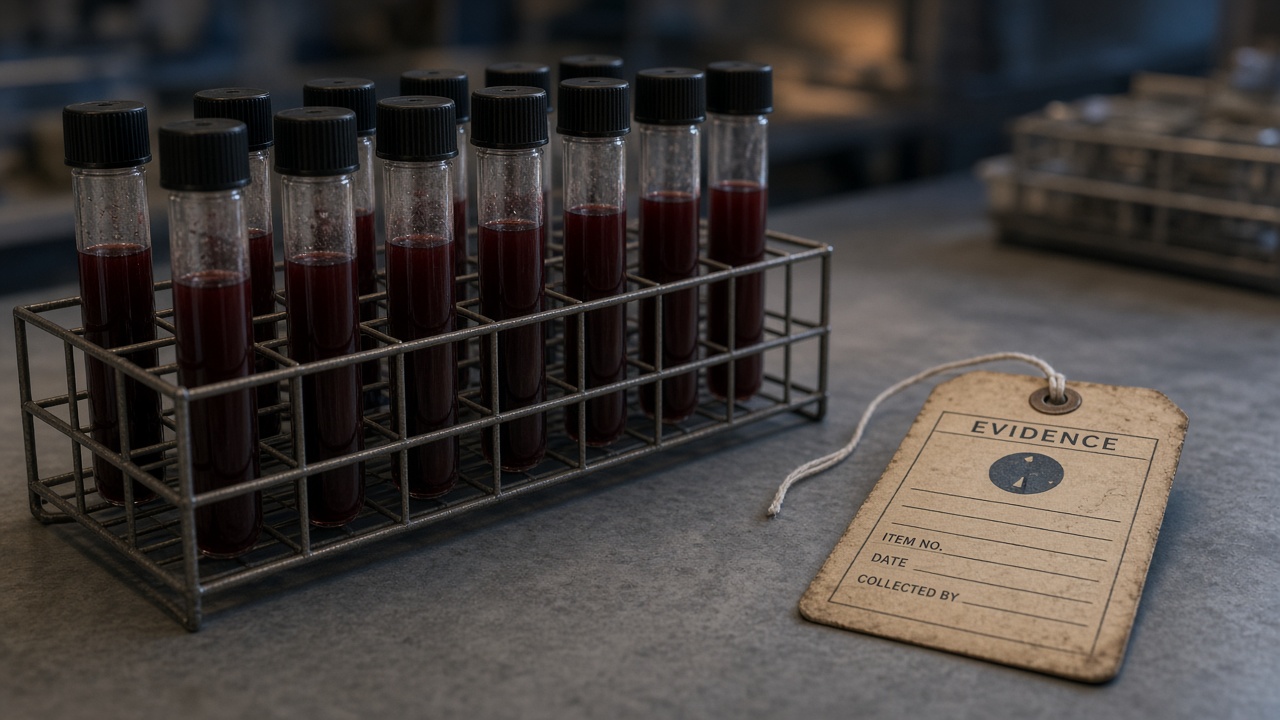
The Science of Fermentation
Certain microorganisms can metabolize sugars and produce ethanol.
That scientific principle raises an obvious forensic question:
Could biological activity alter an improperly preserved specimen?
Why Preservation Matters
Forensic laboratories use procedures designed to preserve samples and maintain their integrity.
The existence of fermentation as a biological process does not establish that fermentation occurred in a particular DUI sample.
The defense must examine the actual evidence.
Questions to Ask
A toxicology review may examine:
How the sample was collected;
Whether appropriate preservatives were used;
How it was stored;
How long it remained before analysis;
Whether the container was properly sealed;
Whether laboratory controls were satisfactory; and
Whether the analytical findings are internally consistent.
Scientific Possibility vs. Proof
This distinction is essential.
A defense should not rely on a scientific possibility merely because it exists.
The question is whether the evidence provides a reasonable basis to conclude that the scientific phenomenon could have affected this particular sample.
Defend the Case.