
October 10, 2026
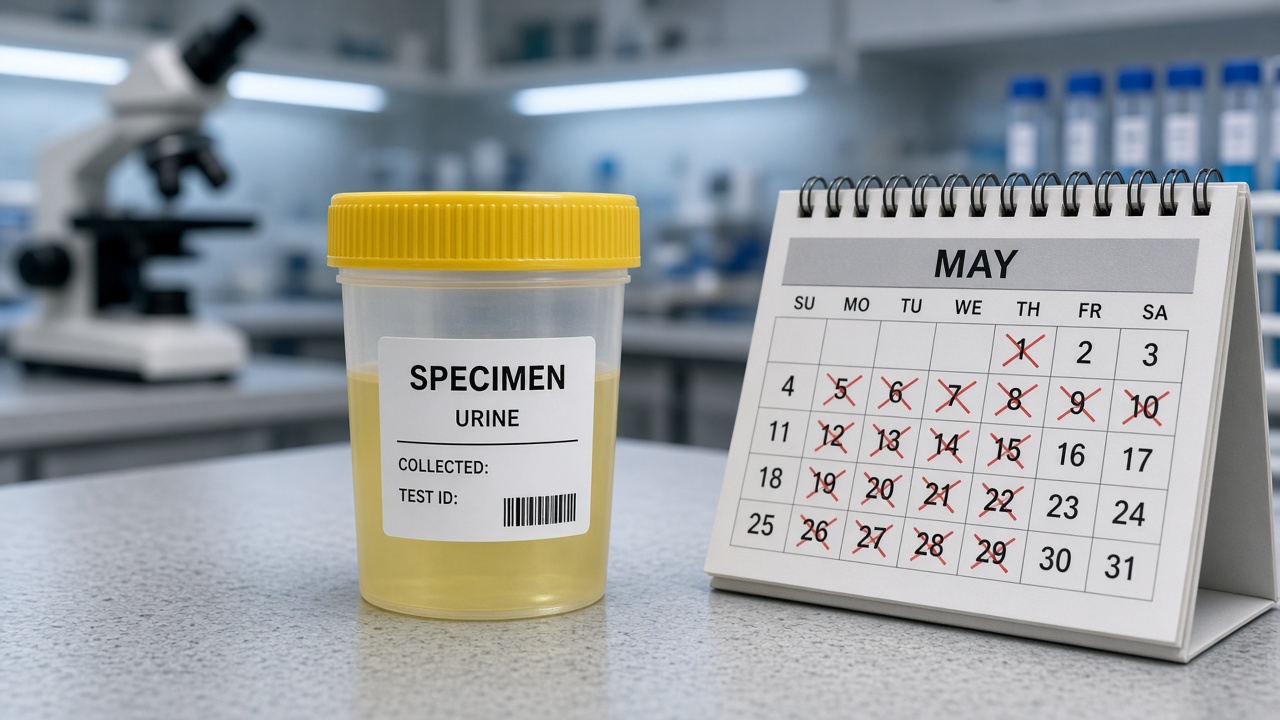
Detection Is Not the Same as Impairment
One of the most important concepts in drugged-driving toxicology is the difference between:
presence
and
impairment.
A urine test can detect a substance or metabolite after the person's physiological effects have changed.
Metabolism Changes the Evidence
The body metabolizes drugs.
Some substances remain detectable after their acute effects have diminished.
The detection period depends on many variables, including:
The substance;
Dose;
Frequency of use;
Individual metabolism;
Time since consumption; and
The testing method.
Why That Matters in Court
A positive urine test may be relevant evidence.
But the defense should ask exactly what proposition the result supports.
Does it prove:
Recent use?
Past use?
A particular concentration?
Impairment?
The timing of consumption?
Those propositions are not necessarily interchangeable.
Florida DUI Law
Florida's impairment-based DUI provision focuses on whether the person's normal faculties were impaired.
That makes the scientific distinction between drug detection and impairment particularly important.
Defend the Case.