
October 5, 2026
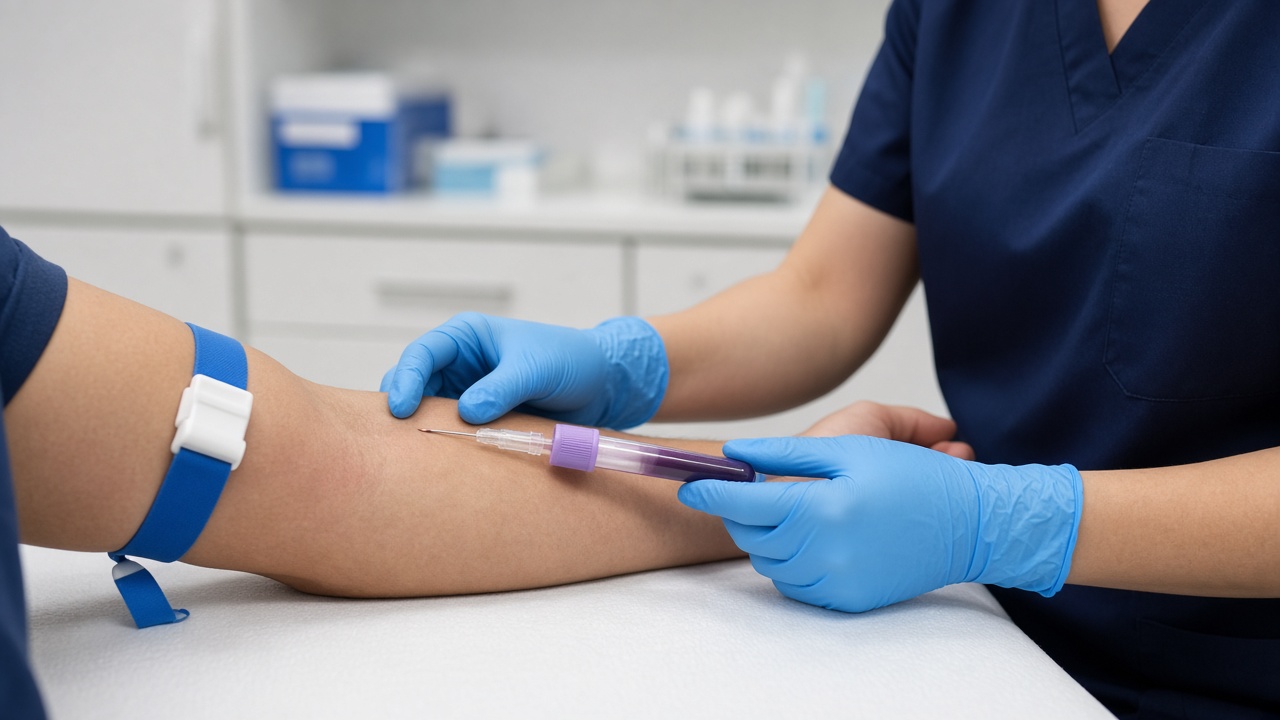
Blood Testing Is a Process
A DUI blood result does not appear magically.
There is a chain:
Collection → identification → preservation → transportation → laboratory analysis → reporting
Every stage matters.
Collection
Florida law requires blood testing in specified circumstances, including certain DUI investigations involving death or serious bodily injury.
The manner in which the sample is collected can become important.
Laboratory Analysis
FDLE states that its Toxicology Section analyzes whole blood and serum for alcohol and whole blood and urine for other toxic or impairing drugs. FDLE also recommends collecting toxicological samples as soon as possible after the offense.
What Should the Defense Examine?
A DUI blood investigation can involve:
Collection records;
Sample identification;
Tube/container information;
Preservation;
Chain of custody;
Laboratory procedures;
Calibration;
Quality controls;
Analytical methodology; and
The final toxicology report.
The Result Is Only as Strong as the Process Behind It
A laboratory number can look extremely precise.
But precision in reporting does not eliminate the need to examine how the sample was collected and analyzed.
Defend the Case.