
September 26, 2026
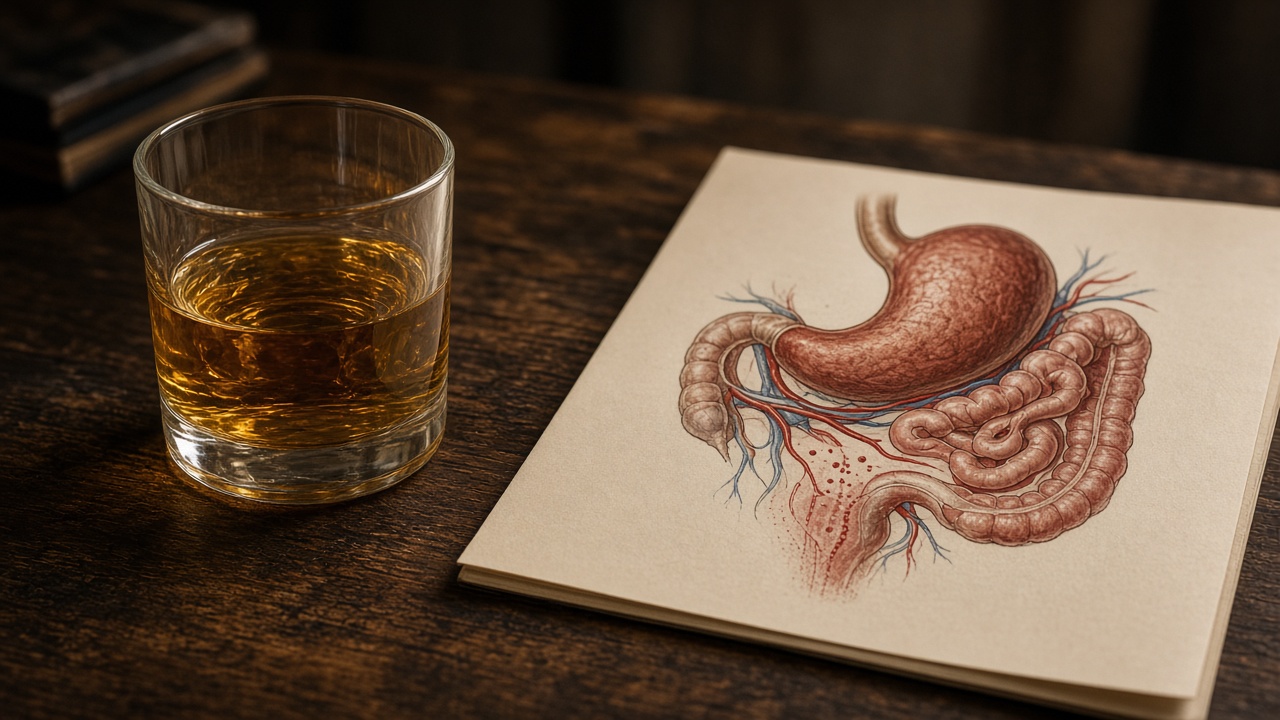
How Alcohol Gets Into Your Bloodstream
When a Florida DUI case involves a blood-alcohol result, it is tempting to treat the number as if it were a direct measurement of how impaired a person was while driving.
The science is more complicated.
Alcohol passes through a series of biological processes before it appears in a blood or breath sample. Understanding those processes can be important when evaluating a DUI investigation.
Absorption Comes First
After alcohol is consumed, it must be absorbed into the bloodstream. Alcohol can be absorbed through the stomach, but a significant portion is absorbed through the small intestine.
The speed of absorption can depend on numerous factors, including:
How much alcohol was consumed;
How quickly it was consumed;
Whether the person had eaten;
The type of alcoholic beverage;
The timing of the last drink; and
Individual physiological differences.
The important point is that alcohol does not necessarily reach its maximum concentration immediately after drinking.
Distribution and Elimination
Once absorbed, alcohol circulates through the body's water-containing tissues. The liver then metabolizes alcohol, although the rate of elimination varies between individuals.
This creates a moving target.
A person's alcohol concentration can be changing between the time of driving, the time of arrest and the time of testing.
Why Timing Matters
Florida's DUI statute establishes different pathways for proving DUI, including impairment and specified blood- or breath-alcohol concentrations.
That means the timing of a chemical test can matter enormously.
A laboratory result may accurately describe the concentration in a particular sample at a particular time. That does not necessarily answer every other question in the case.
The Defense Question
The right question is not simply:
“What was the BAC?”
It is:
“What does this particular BAC result establish about the defendant at the relevant time?”
That requires examining the timing, testing method, biological circumstances and assumptions underlying the conclusion.
The Law Office of Juan C. Calama has defended criminal and traffic cases for more than 20 years. In a DUI case, the scientific evidence deserves the same careful examination as every other piece of evidence.
Don't just defend the charge. Defend the case.