
October 8, 2026
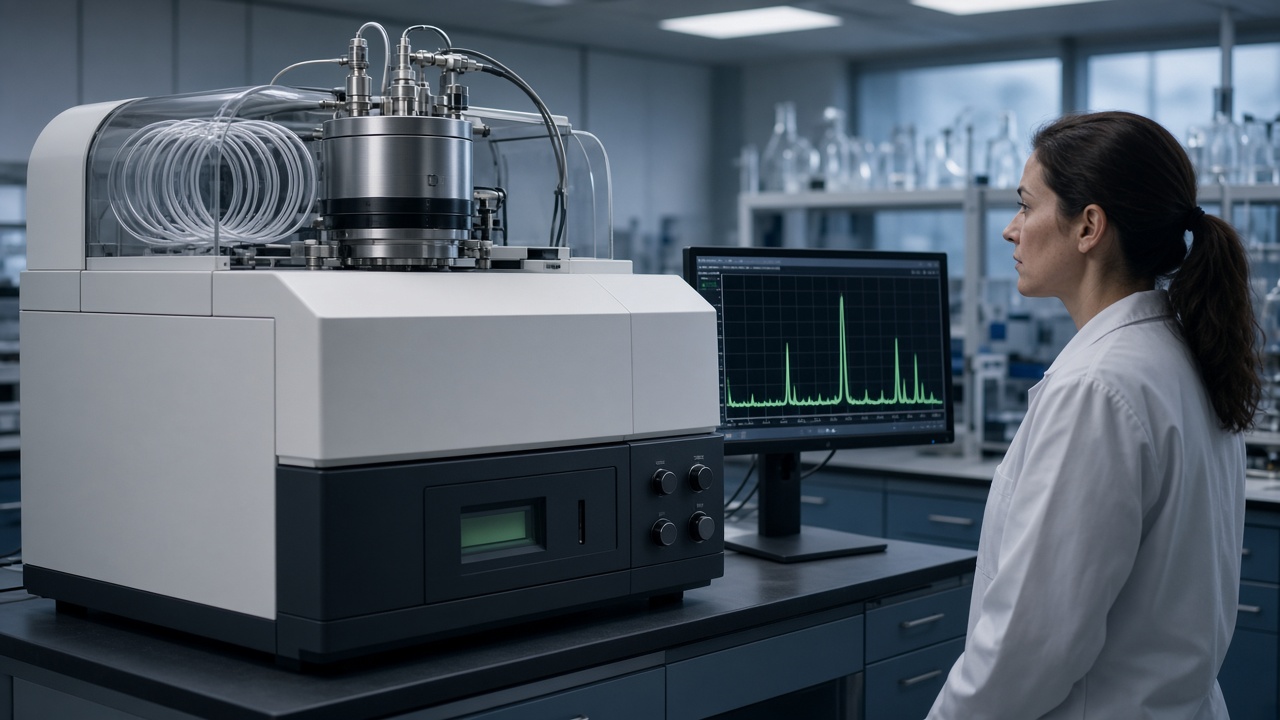
What Is Gas Chromatography?
Gas chromatography, commonly called GC, is an analytical laboratory technique used to separate and analyze chemical compounds.
In forensic toxicology, it can be used to identify and quantify substances in biological samples.
Separation Is the Key
A sample can contain multiple chemical compounds.
Gas chromatography separates those compounds so that the laboratory can analyze them individually.
The process can involve:
Vaporization;
Separation within a chromatographic column;
Detection;
Identification; and
Quantification.
Why Defense Lawyers Should Understand GC
A toxicology report may present a final number without explaining the scientific process behind it.
A defense review should consider:
Calibration;
Internal standards;
Quality controls;
Chromatographic separation;
Identification criteria;
Retention times; and
Whether the reported result is consistent with the underlying data.
The Bigger Picture
Forensic toxicology is not simply “the computer says .XXX.”
It is a scientific measurement produced through a laboratory process.
Understanding that process allows the defense to determine whether the result deserves the weight the State assigns to it.
Defend the Case.