
October 12, 2026
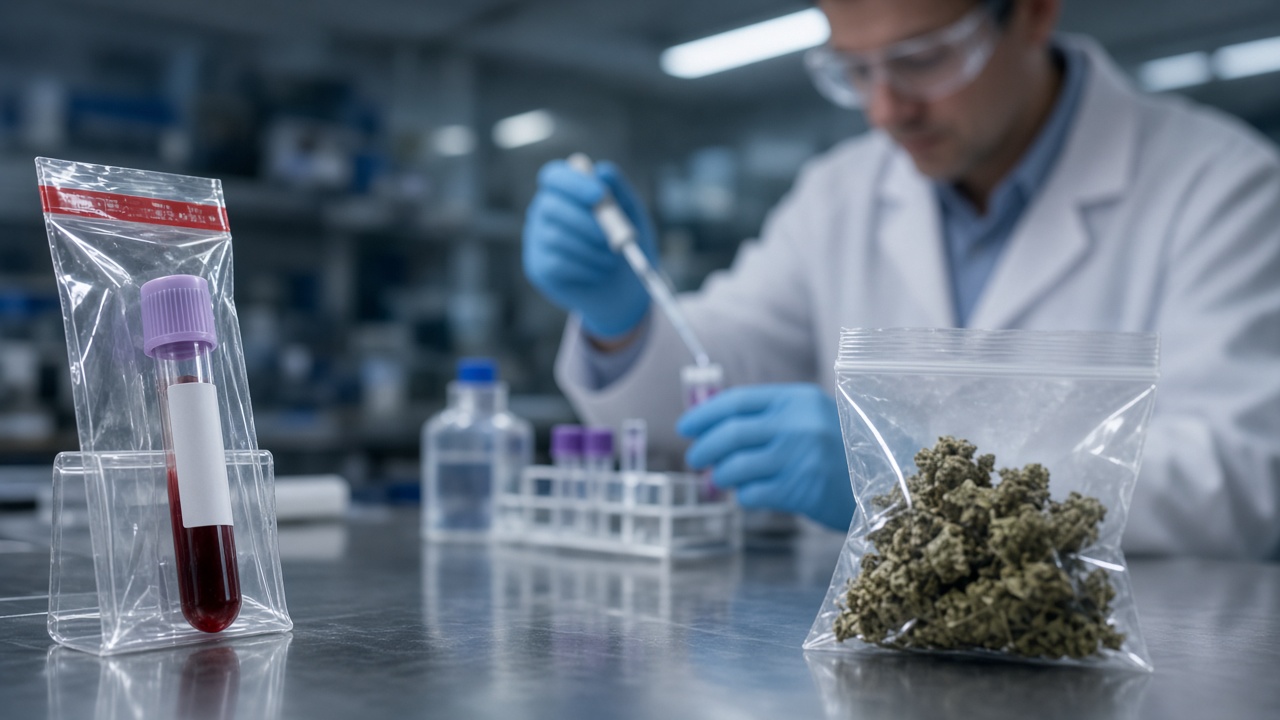
Cannabis Toxicology Is Complicated
THC presents unusual challenges in forensic toxicology.
The body absorbs, distributes and metabolizes THC differently from many other substances.
THC concentrations can change rapidly after consumption, while metabolites can remain detectable much longer.
Active THC vs. Metabolites
A toxicology report may identify active THC or one or more metabolites.
Those findings do not necessarily mean the same thing.
A metabolite can demonstrate prior exposure without necessarily establishing current impairment.
Timing Is Critical
A proper scientific analysis should consider:
Time of consumption;
Route of administration;
Time of driving;
Time of collection;
Whether active THC was detected;
Whether metabolites were detected;
The person's history of cannabis use; and
Other evidence of impairment.
Florida DUI
Florida's DUI statute provides an impairment-based theory for controlled substances.
The defense should therefore be careful not to allow a toxicology result to become a substitute for proof of impairment.
Detection is evidence. It is not automatically the conclusion.
Defend the Case.